about
Catégorie : english text
-
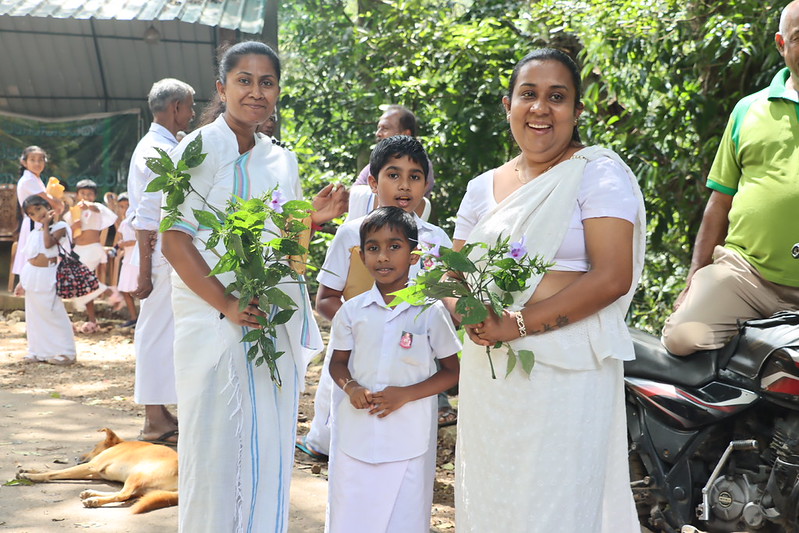
Sri Lanka – Three months after Cyclone Ditwa, I set off to see a waterfall from Instagram, with its suspended bridge. Both were gone. But with Samee and his wife, my disappointment turned into a human odyssey: a Hindu kovil, an animist sanctuary, planting trees, and the mist of Riverstan. Sri Lanka, rising again.
-
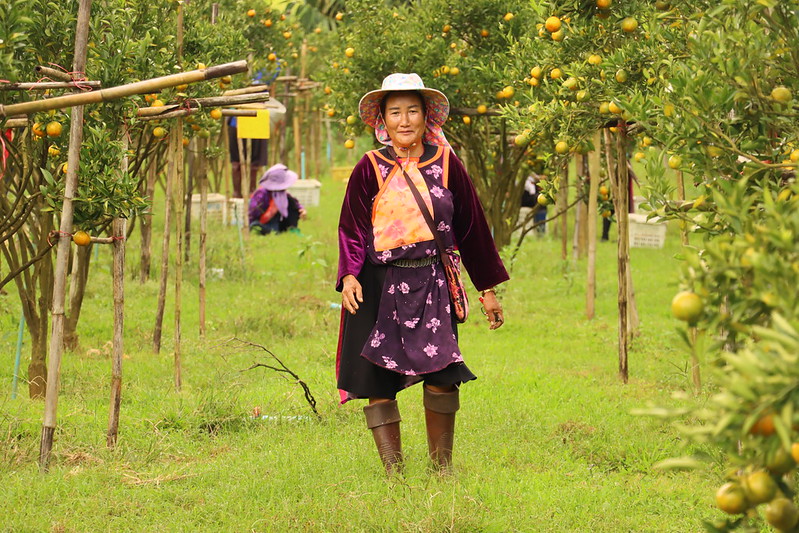
Two days with the Lisu people taught me to forget what I knew and watch with fresh eyes. A strict ethical orientation made me a better tourist through ethical immersion. From tangerine farms to Akipu Café, we learned not only to observe but also to support the local economy. It was a journey uphill, full…
-
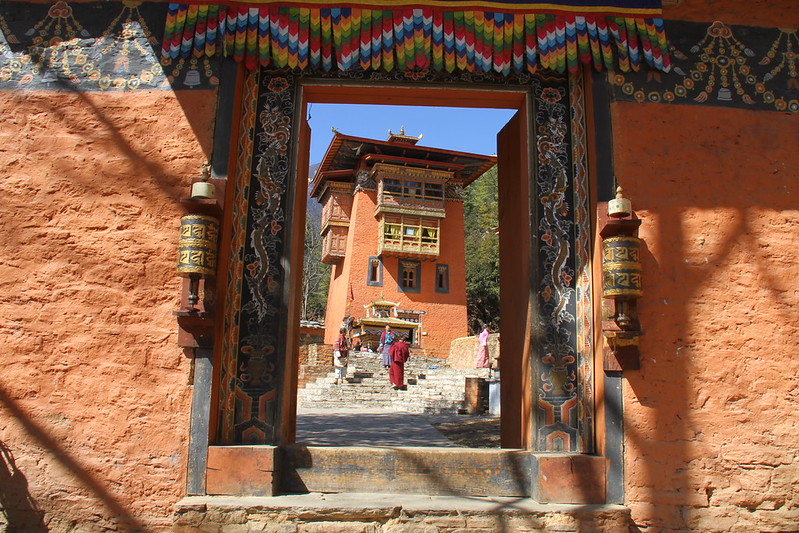
Bhutan welcomed me with white scarves and open arms—then reminded me I’d always be an outsider. A week of curry, cracked skin, and frozen mornings, between generosity and sudden rejection. More than a journey, a lesson in contrasts.
-
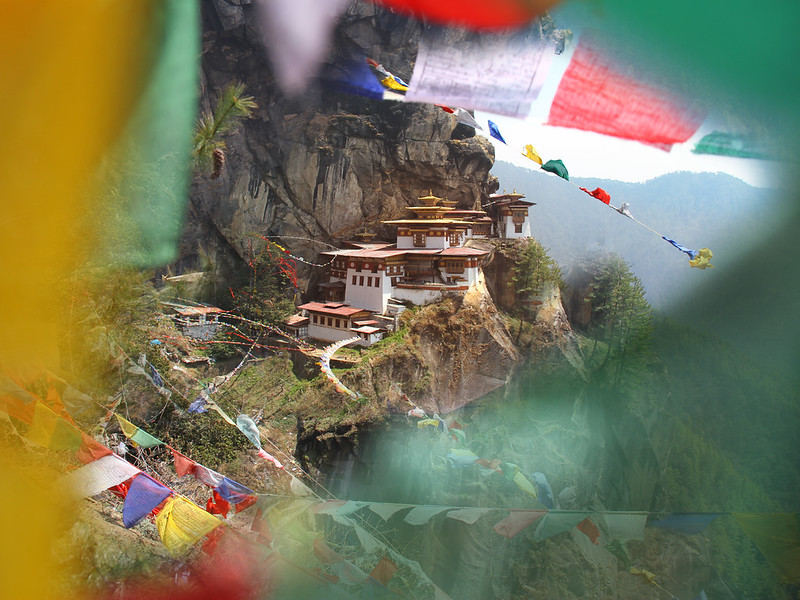
Teaching in Thimphu in 2013, I spent months fighting for permission to hike Bhutan’s Tiger’s Nest. The reward: two breathless hours on switchbacks, prayer flags snapping overhead, and a legend involving a flying tigress. At 3,120 meters, faith stops being a metaphor.
-
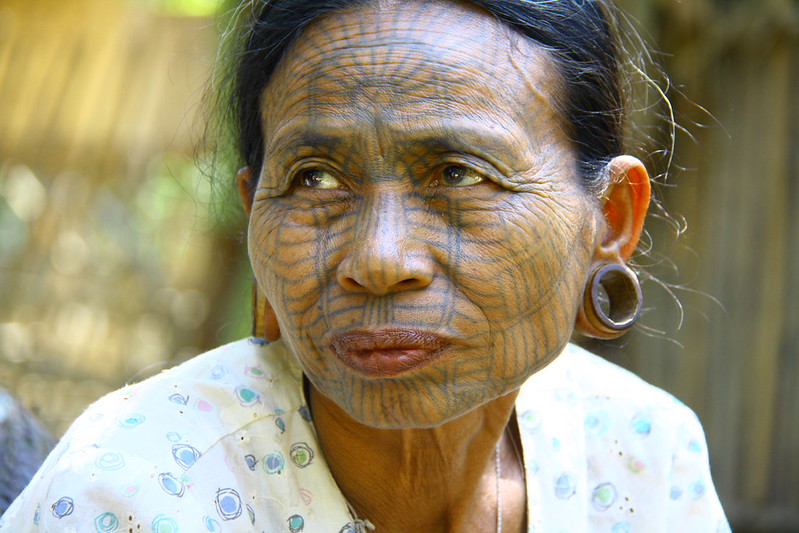
In Myanmar’s Chin State (2011 and 2017), I met the last tattooed-faced women. Between river villages and hilltop towns, I encountered friendly, funny elders who had turned their once-feared tattoos into a source of pride.
-
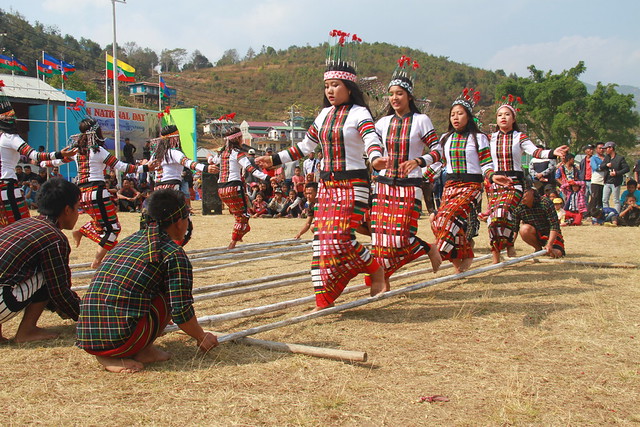
Discover the Cheraw, the traditional Bamboo Dance of the Mizo people, through its history, symbolism, and cultural significance. Based on my journey to Chin State, Myanmar, in 2019, this article explores a fascinating living tradition shared across the highlands of India and Myanmar, illustrated with photographs and videos.
-
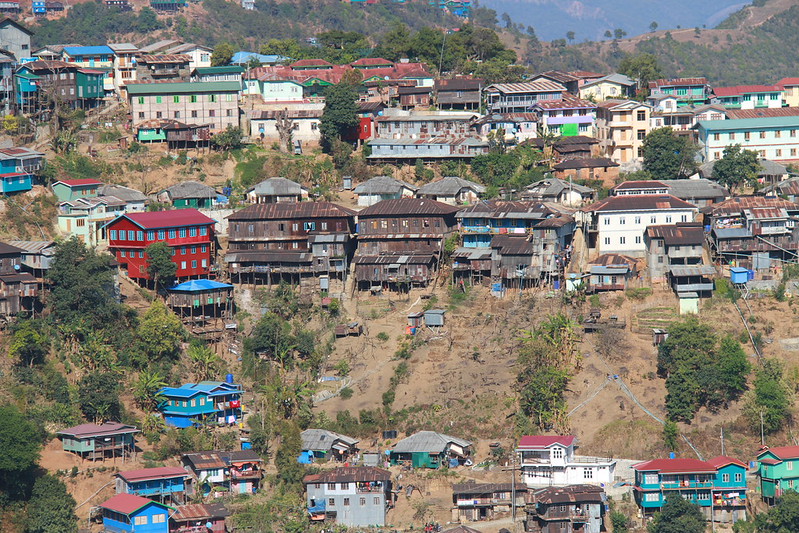
Chin Hills in Myanmar: a land of raw beauty and steep, rocky climbs. Alone on a motorbike, climbing into Myanmar’s Chin Hills, I was scared, though I’d never admit it then. Between churches perched on ridges, a quiet temple under the stars, and beers shared with the customs officer, fear slowly turned into something else.…
-
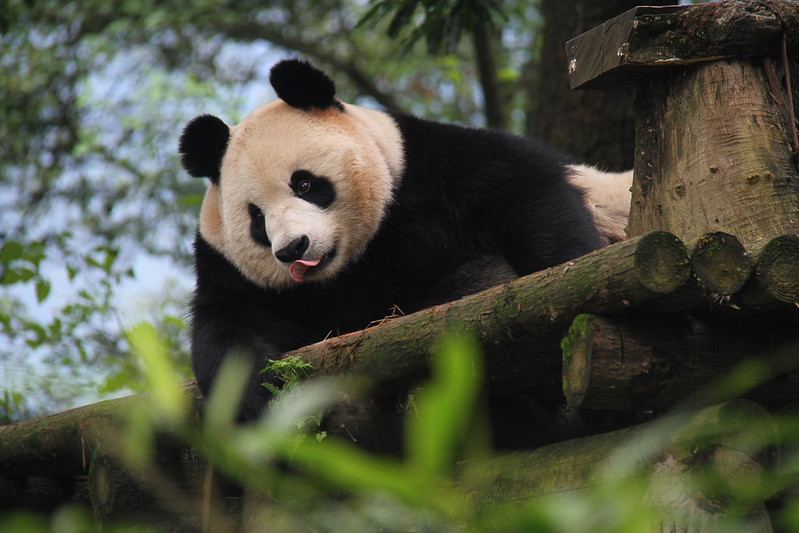
I went to Chengdu to see giant pandas. I came back thinking about a russet ghost I never actually saw — and about everything that hides in plain sight when you’re not looking for it.
-
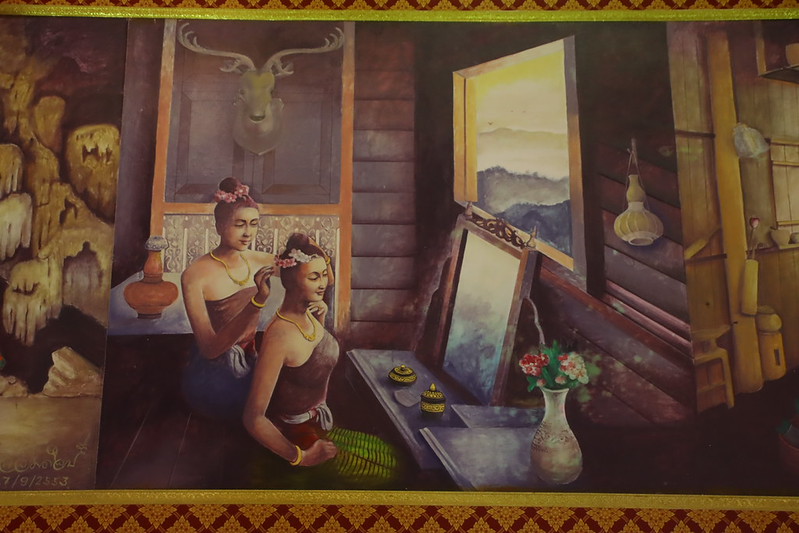
A new legend rewritten: On the border of Lanna, a scribe is sent to spy on Laplae, a hidden matrilineal enclave. There, he discovers a Lawa society without locks or armies, ruled by the refusal to lie and reverence for the Earth. Confronted by the wisdom of the mothers, the scribe sees his certainties collapse…
-
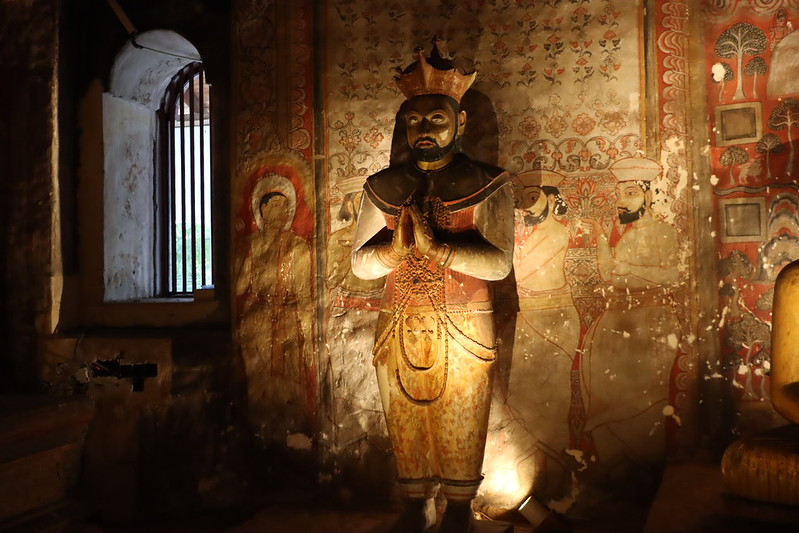
The Isle of Demons became the Dharma’s sanctuary. The Buddha’s teachings, passed down by memory, were etched onto palm leaves in Aluvihara. Lanka, once a cursed land, became the eternal guardian of the original word.

