Salaween.blog
A travel journal through culture and history. – blogging since 2014
about
Auteur : fredalix
-
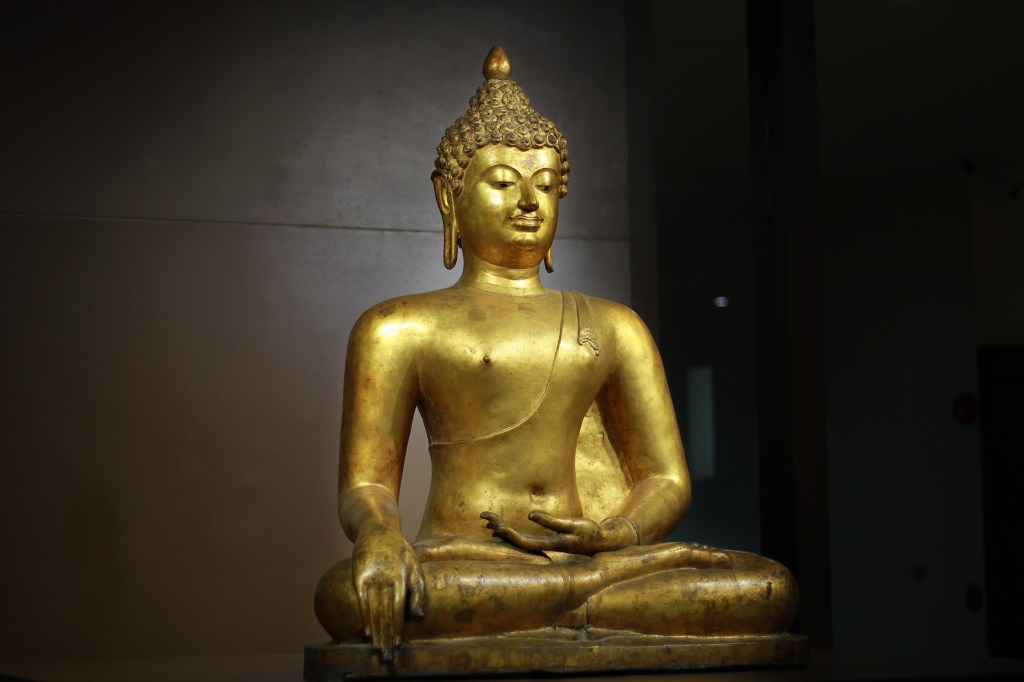
Au début, le Bouddha voulait juste enseigner, pas poser pour des statues. Il n’était représenté que par des symboles. Des siècles plus tard, l’inspiration vient… de la Grèce antique !
-
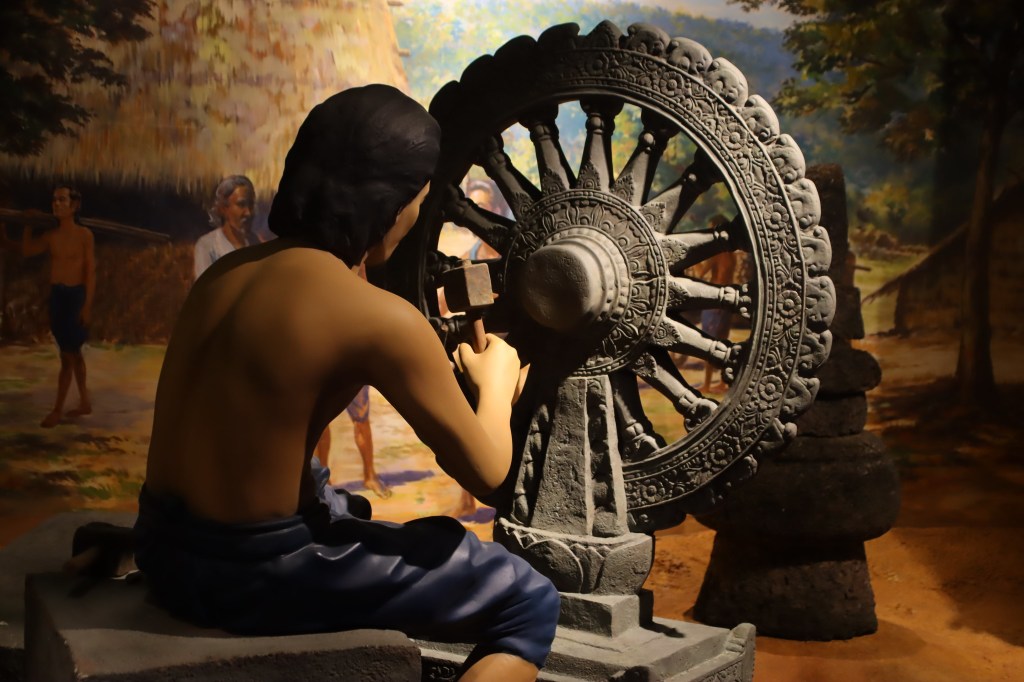
As an indigenous people of Southeast Asia, the Mon received Theravāda Buddhism from Sinhalese monks. Between the 6th and 11th centuries, they became cultural bearers, spreading the faith, writing, and arts. Their legacy deeply inspired emerging kingdoms. Discreet facilitators, they gradually faded, leaving a lasting mark on civilization.
-
Peuple autochtone d’Asie du Sud-Est, les Môns reçurent le bouddhisme theravāda des moines cinghalais. Entre le VIᵉ et le XIᵉ siècle, ils devinrent des passeurs culturels, diffusant la foi, l’écriture et les arts. Leur héritage inspira profondément les royaumes naissants. Passeurs discrets, ils se sont effacés, laissant une empreinte durable dans la civilisation.
-
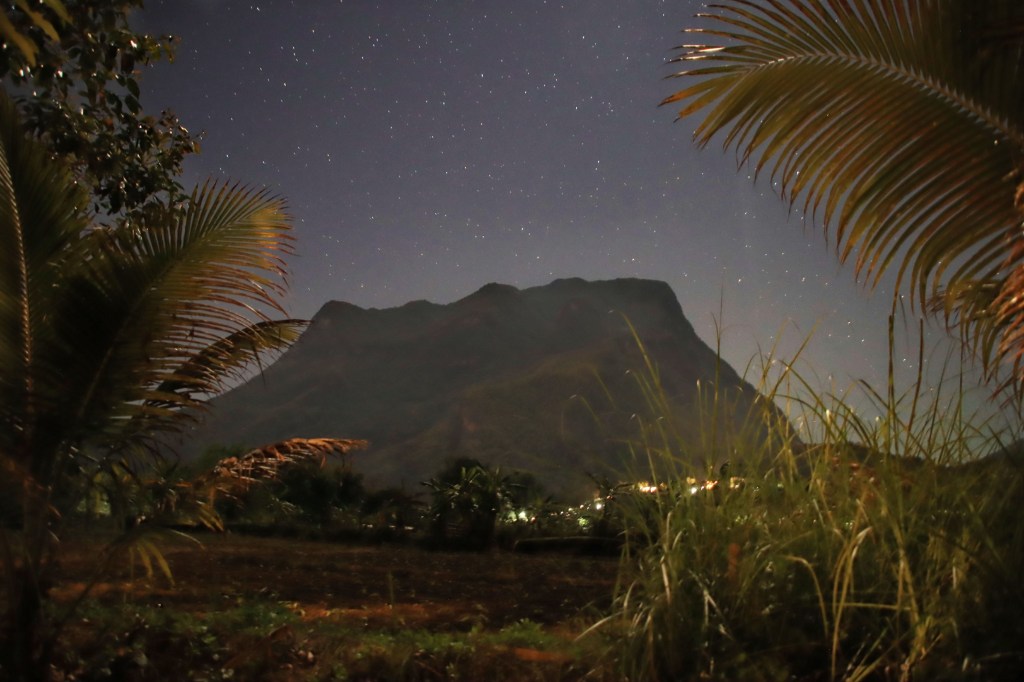
Un lapin blanc aux yeux scintillants bondit depuis le sud. Devant lui, le Doi Luang s’élève, majestueux, couronné de brume. Ce sanctuaire sacré irradie un silence chargé de mystère. Le lapin ralentit, sentant qu’ici, le voile de l’avenir va se lever devant lui.
-
Un lapin blanc aux yeux scintillants bondit depuis le sud. Devant lui, le Doi Luang s’élève, majestueux, couronné de brume. Ce sanctuaire sacré irradie un silence chargé de mystère. Le lapin ralentit, sentant qu’ici, le voile de l’avenir va se lever devant lui.
-
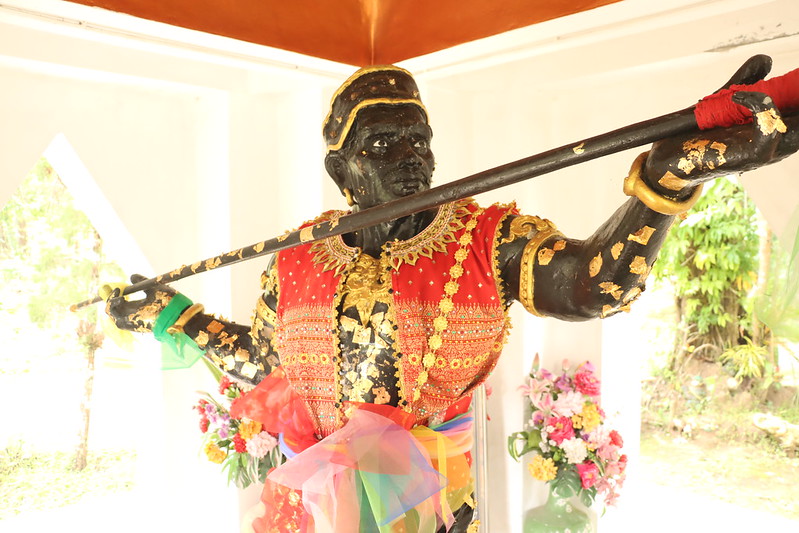
Vilanka, king of the Lawa with a broken heart, tells a historical destiny often overshadowed by a queen who took all the spotlight. Amid mountains, legends, and thrown spears, his story blends ancestral pride, betrayals, and struggles to preserve the soul of a forgotten people in Northern Thailand.
-
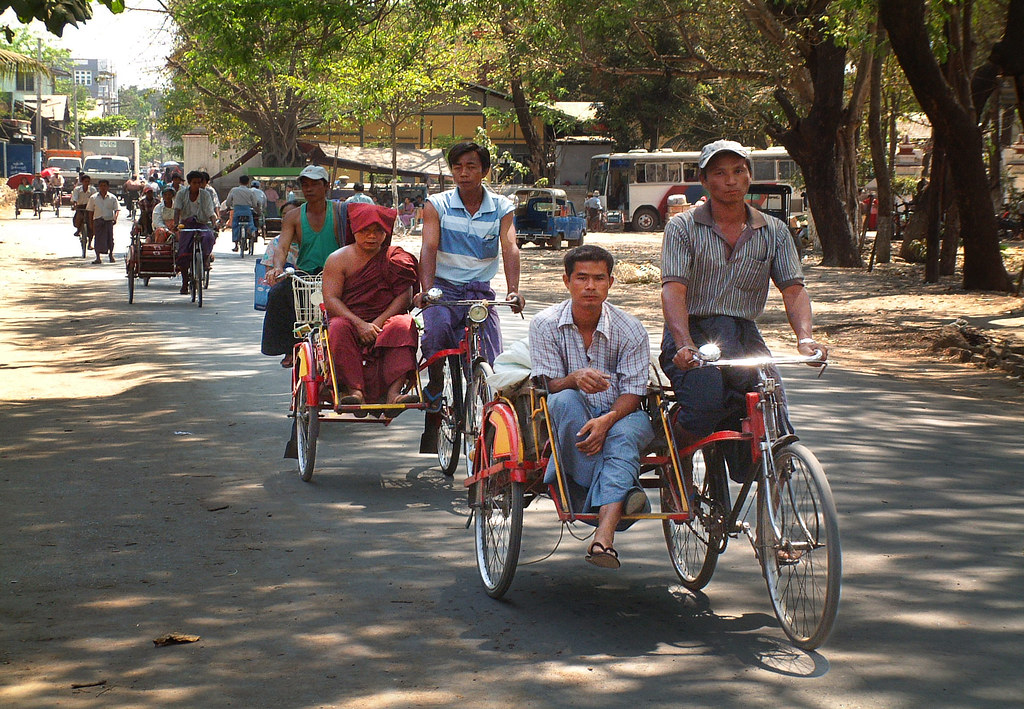
Sagaing, the once-forgotten former capital of Myanmar, is now a peaceful town, home to nearly two thousand monks and nuns. But that’s not the story I want to tell you. Instead, I’d like to share a travel anecdote — a personal journey across these sacred hills, drawn from three visits through time. And while you…
-
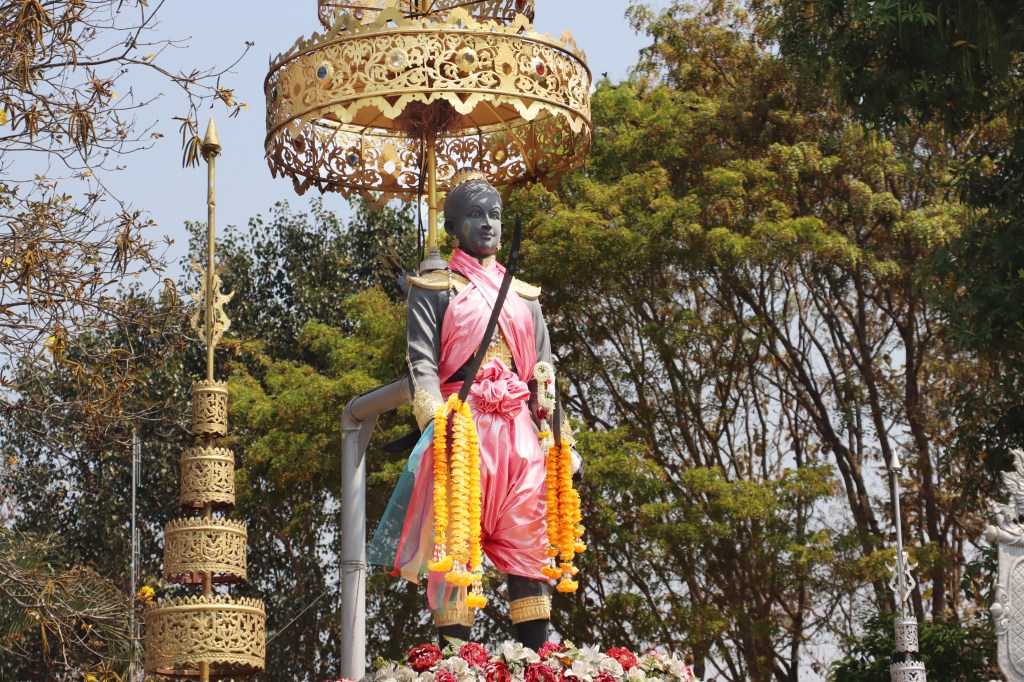
Born in 1588, the Year of the Dragon, Malika was the daughter of the King and Queen of Fang. Heir to a kingdom in turmoil, she ruled over the region that now bears her name. In her citadel, inhabited primarily by women, she trained and led an army of brave warrior women who defended the…
-
Née en 1588, l’année du Dragon, Malika était la fille du roi et de la reine de Fang. Héritière d’un royaume en lutte, elle régna sur la région qui porte aujourd’hui son nom. Dans sa citadelle, principalement habitée par des femmes, elle forma et mena une armée de guerrières courageuses qui défendirent la ville contre…
-

As the ogres Phu Sae, Ya Sae, and their son terrorize the land of the Lawa, the Buddha decides to come in person to pacify these giants and establish peace agreements that endure to this day.
 Salaween.blog