about
Auteur : Frederic Alix
-
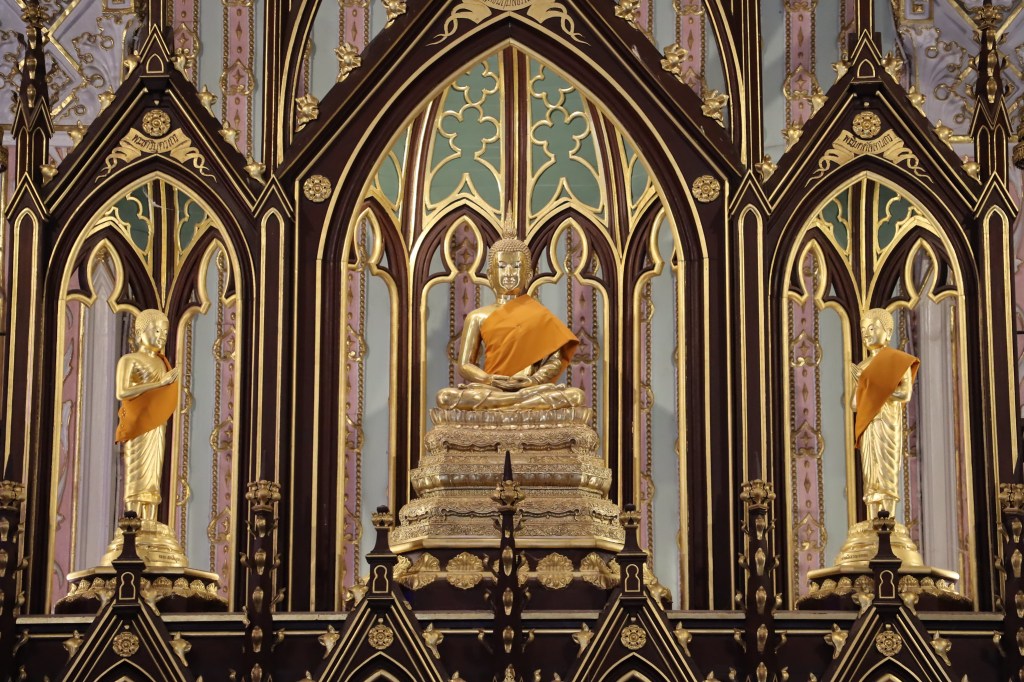
In 1662 in Ayutthaya, Spanish Franciscans and Theravāda Buddhist monks met beyond the limits of doctrine. Their dialogue, grounded in asceticism, poverty, and mendicancy, revealed a surprising sense of mutual recognition and spiritual respect within an Asian crossroads rich in cultural and religious exchange.
-
En 1662 à Ayutthaya, franciscains espagnols et moines bouddhistes theravāda se rencontrent au-delà des doctrines. Leur dialogue, fondé sur l’ascèse, la pauvreté et la mendicité, révèle une reconnaissance mutuelle et un respect spirituel surprenants, dans un carrefour asiatique riche d’échanges culturels et religieux.
-

This text recounts my encounter with the bhikkhunīs, fully ordained Buddhist women. Combining personal narrative, ancient history, and contemporary realities in Thailand, it describes their origins at the time of the Buddha, their disappearance, and their modern revival, as well as the struggle of figures like Dhammananda for the recognition of nuns.
-

Ce texte raconte ma rencontre d’avec les bhikkhunīs, femmes bouddhistes pleinement ordonnées. Entre récit personnel, histoire ancienne et réalités contemporaines en Thaïlande, il décrit leur origine au temps du Bouddha, leur disparition, puis leur renaissance moderne, ainsi que le combat de figures comme Dhammananda pour la reconnaissance des moniales
-
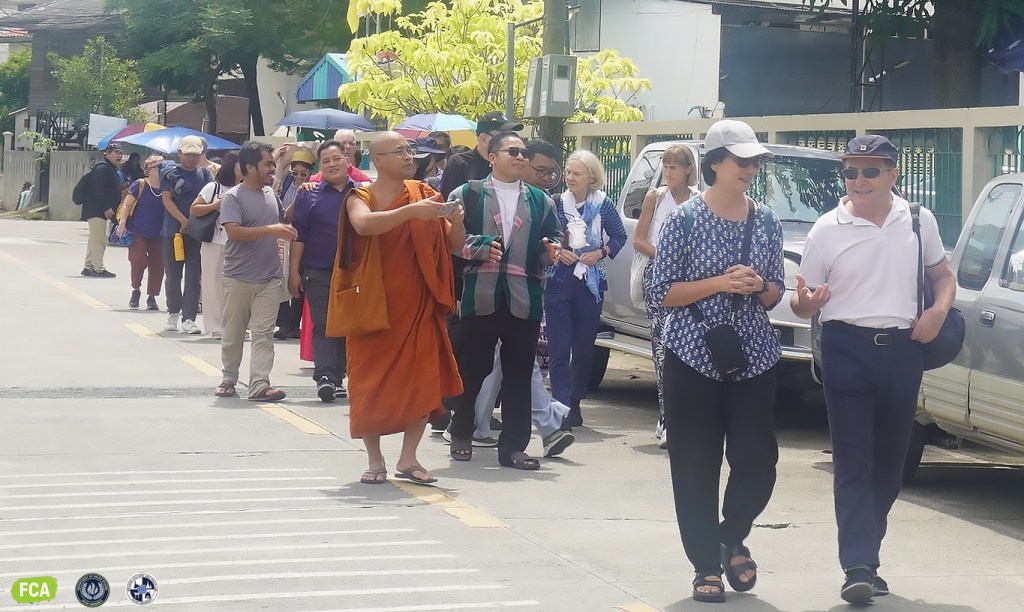
On September 13, 60 participants—students and faculty from Payap University and local community members—walked through Chiang Mai’s Wat Ket neighborhood. This interfaith pilgrimage brought together temples, churches, mosques, and shrines, creating a day of shared learning, dialogue, and spiritual connection.
-

Le 5 janvier 2025, je suis invité à participer à une ordination de moine bouddhiste. J’ai déjà assisté à des ordinations, mais c’est la première fois que j’y participe du début à la fin en tant qu’invité, et non comme un simple spectateur de passage. C’est un grand honneur pour moi.
-
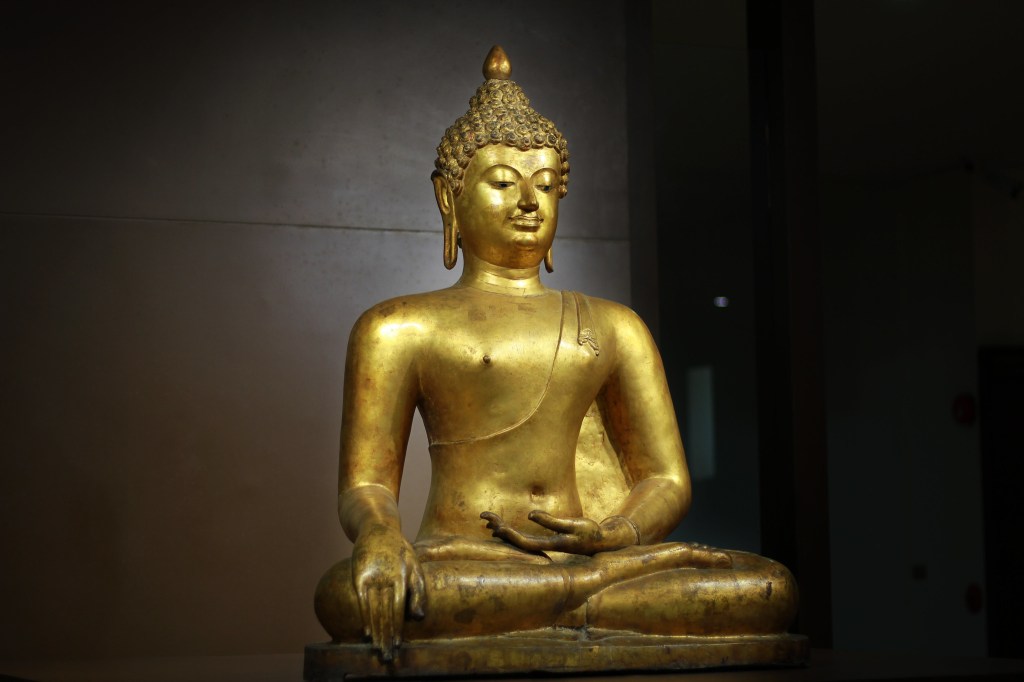
At first, the Buddha just wanted to teach, not pose for statues. He was represented only through symbols. Centuries later, the inspiration came… from ancient Greece!
-
Au début, le Bouddha voulait juste enseigner, pas poser pour des statues. Il n’était représenté que par des symboles. Des siècles plus tard, l’inspiration vient… de la Grèce antique !
-
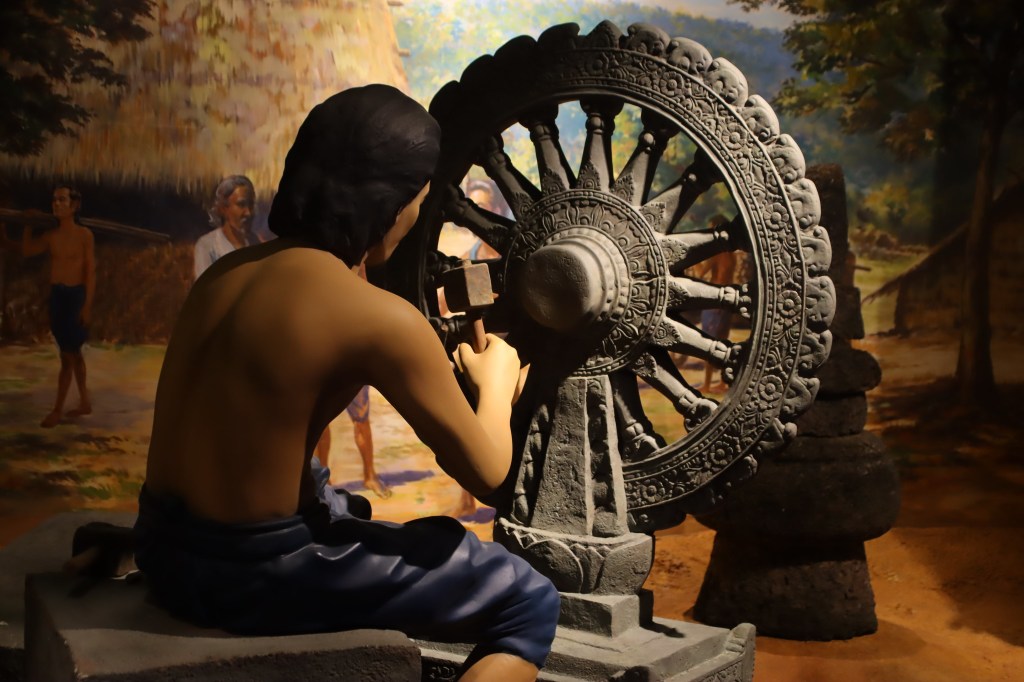
As an indigenous people of Southeast Asia, the Mon received Theravāda Buddhism from Sinhalese monks. Between the 6th and 11th centuries, they became cultural bearers, spreading the faith, writing, and arts. Their legacy deeply inspired emerging kingdoms. Discreet facilitators, they gradually faded, leaving a lasting mark on civilization.
-
Peuple autochtone d’Asie du Sud-Est, les Môns reçurent le bouddhisme theravāda des moines cinghalais. Entre le VIᵉ et le XIᵉ siècle, ils devinrent des passeurs culturels, diffusant la foi, l’écriture et les arts. Leur héritage inspira profondément les royaumes naissants. Passeurs discrets, ils se sont effacés, laissant une empreinte durable dans la civilisation.

